
Revisiting A City Lights Classic
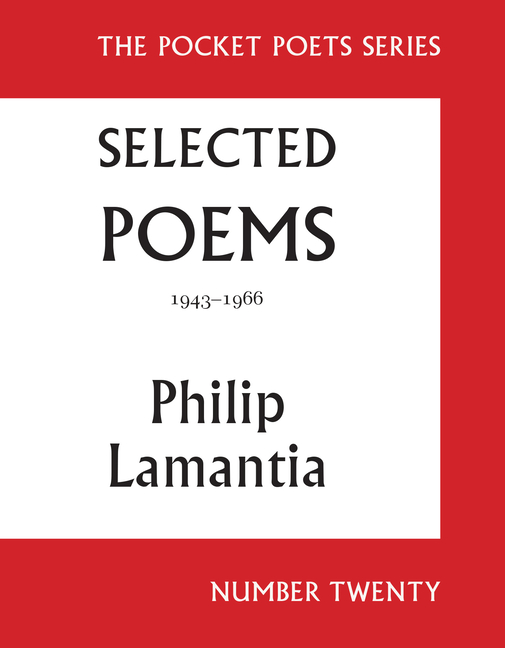
Selected Poems of Philip Lamantia – 1943-1966: Pocket Poets No. 20. Philip Lamantia. Edited by Garrett Caples. City Lights Books.
I am returning to my original sources – like an act of nature.
Philip Lamantia
Philip Lamantia was one of the unsung heroes of the Beat Generation, as well as of one of its most original voices. Along with Jack Kerouac and Michael McClure, Lamantia changed the shape of how poets think and write, helping them to find the freedom to follow the wandering paths of the secret mind.
This volume reprints the classic collection of Lamantia’s selected poems (1943-1966). The book was originally issued by City Lights in 1967 as installment 20 in its famed “Pocket Poets” series. Selected collects the high points of Lamantia’s early work, adeptly tracing the twists and turns of his development, chronicling the first twenty three years of a major presence in world poetry. The new edition features an array of correspondence from City lights Founder Lawrence Ferlinghetti to Lamantia, offering the reader a peek inside the process of how this collection spouted from ‘seed’ into ‘fruit-bearing tree.’
Lamantia is rightfully regarded as the first true American surrealist whose life represented the cornerstone of the Beat coda – that being: to speak honestly and explore relentlessly, seeking out the beauty that hovers just behind the mundane veils of dross. And the poet wrote:
“He Breathed through his wounds…
and the green mouth cracks open underground”
(From Animal Snared In His Revery)
Lamantia’s greatest gift was in his ability to contact Gods in distant lands and then make their voices accessible to the masses via ink and word splash. Even though he wrote for himself, he nonetheless spoke for all poets in a singular voice born in this sweet reverence for language. The evidence corroborating this statement alive on each page of this marvelous collection. And the poet wrote:
“Your burnt face is fading into the dream
My love
my gypsy
among the fallen you are luminous
You wander with those who are mystery
with a naked heart upon your breast”
(From Mirror and Heart)
Philip Lamantia was a major voice in the labyrinth of world poetry. Like André Breton said: “A voice that rises once in a hundred years.”
 Electric Review